
Gratitude is a powerful quality that can transform our daily lives in many ways. It’s more than just saying “thank you”; it is an attitude of deep appreciation and recognition for the blessings and positive experiences we encounter on our path. Cultivating gratitude not only makes us feel good emotionally, but also brings a series of benefits to our mental, emotional and even physical health. From reducing stress to improving relationships and increasing resilience, practicing gratitude has the power to uplift and strengthen us on our journey through life.
At the heart of this article is the keyword “The Power of Gratitude”. Let’s explore how this powerful force can be integrated into our daily spiritual practices to cultivate a deeper, more meaningful appreciation in our everyday lives. As we delve into this topic, we will discover how small gestures of gratitude can open doors to a fuller, more connected and happier life.
What is gratitude
Gratitude is much more than a simple expression of courtesy. It is a powerful emotion that emerges when we recognize and value the blessings, generosity and kindness we receive from others, the universe and even ourselves. It is an attitude of deep appreciation that connects us with the present and helps us recognize the beauty and abundance that surrounds our lives.
Exploring the physical, mental and emotional benefits of gratitude:
Gratitude is not only a pleasant emotion, but it also has a number of tangible benefits for our health and well-being. On a physical level, studies have shown that practicing gratitude regularly is associated with improvements in sleep quality, lower blood pressure, and strengthening the immune system. Mentally, gratitude is linked to greater emotional resilience, reduced stress, and increased overall happiness. On an emotional level, cultivating gratitude helps us develop deeper, more meaningful relationships, increases self-esteem, and promotes a greater sense of life satisfaction.
Importance of gratitude in spiritual practices
In spiritual practices, gratitude plays a fundamental role as a path to spiritual connection and transcendence. As we recognize the blessings and gifts we have received, we cultivate a sense of humility and reverence toward the divine. Gratitude helps us open our hearts to receive the graces of the universe and connects us with a state of presence and unconditional acceptance. Furthermore, by practicing gratitude, many spiritual traditions believe that we are aligning our energies with the positive forces of the universe, attracting more abundance and harmony into our lives.
Spiritual practices to cultivate gratitude
Gratitude Meditation:
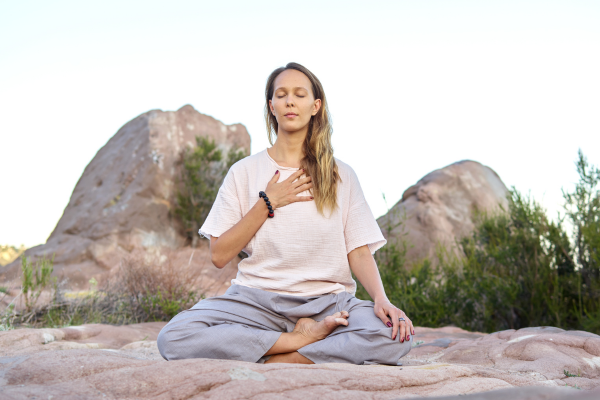
To practice gratitude meditation, find a quiet, comfortable place to sit. Start by breathing deeply and focus your attention on your breathing. Then bring to mind a person, situation, or thing for which you are grateful. Allow this feeling of gratitude to envelop your entire being as you focus on it. If your mind wanders, gently bring your attention back to the feeling of gratitude. Continue meditating for a few minutes, cultivating this feeling of appreciation.
The benefits of meditation for cultivating gratitude are vast. In addition to promoting a state of relaxation and tranquility, gratitude meditation helps us develop a more positive outlook on life. It helps us focus on the present and recognize the many blessings we already have in our lives rather than worrying about what is missing.
Gratitude Journal
Starting a gratitude journal is simple. Take a few minutes every day to write down three things you are grateful for. It could be something as simple as the sun shining, a meaningful conversation with a friend, or a delicious meal. The important thing is to cultivate a regular practice of recognizing the good things in your life.
Examples of things to write in your gratitude journal include moments of connection with loved ones, personal achievements, inspiring experiences, beauty in nature, or even small acts of kindness you have witnessed or received.
Gratitude journaling has a profound positive impact on your outlook on life. By regularly focusing on the things we are grateful for, we begin to notice more positivity around us. This can lead to greater emotional resilience, reduced stress, and an overall sense of contentment and satisfaction with life.
Thank You Ritual
There are countless ways to create daily or weekly gratitude rituals. This might include lighting a candle and reflecting on your blessings, reciting a prayer of gratitude before meals, or taking a moment before bed to express gratitude for the day that has passed.
Involving family or friends in gratitude rituals can strengthen family bonds and create an atmosphere of positivity and connection. You can share moments of gratitude during family meals, create a gratitude board where everyone can write down what they’re thankful for, or do a group gratitude activity like a nature walk or a shared meditation session.
Gratitude rituals have a profound transformative power in our lives. They help us cultivate a sense of ongoing appreciation for the blessings in our lives and remind us of the importance of expressing gratitude regularly. Furthermore, these rituals create moments of connection and unity with others, strengthening social bonds and promoting a sense of belonging and love.
Incorporating gratitude into daily life
Remembering to be grateful in your everyday life can be a challenge amid the rush of modern life, but it is essential to cultivating a mindset of gratitude. Some simple tips include:
- Create visual reminders, like sticky notes or cell phone alarms, to remind you to practice gratitude throughout the day.
- Incorporate moments of gratitude reflection into your morning or evening routine by taking a few minutes to think about the things you are grateful for.
- Practice gratitude while carrying out everyday tasks, such as showering, preparing a meal, or walking outdoors.
Expressing gratitude to others is a powerful way to strengthen relationships and spread positivity. Some ways to express gratitude include:
- Write thank you letters or notes of appreciation to friends, family, co-workers or people who did something special for you.
- Give genuine praise and recognize the efforts and contributions of others.
- Show gratitude through small acts of kindness, such as offering help, giving meaningful gifts, or simply listening attentively.
Practicing gratitude can radically change our perspective on challenges and adversity. When we adopt a mindset of gratitude, we begin to see even difficult moments as opportunities for growth and learning. Some ways gratitude can transform our view of challenges include:
- Find lessons and positives in challenging situations.
- Develop emotional resilience, seeking gratitude even in the most difficult circumstances.
- Recognize and appreciate the support and compassion we receive during difficult times.
- Cultivate an attitude of acceptance and trust in the process of life, knowing that even in the darkest moments, there is something to be grateful for.
Success studies and cases
Science has increasing evidence of the positive effects of gratitude on health and well-being. Scientific studies have shown that practicing gratitude regularly is associated with a range of benefits, including:
- Improved mental health: Gratitude is linked to a reduction in symptoms of depression, anxiety and stress. People who practice gratitude regularly tend to have a more positive outlook on life and greater emotional resilience.
- Improved physical health: Research has shown that grateful individuals have stronger immune systems, suffer fewer physical health problems, and are more likely to adopt healthy behaviors such as exercising regularly and sleeping well.
- Improved relationships: Expressing gratitude to others strengthens social bonds and promotes an environment of trust and mutual support. Relationships based on gratitude tend to be more harmonious and satisfying.
In addition to the scientifically proven benefits, there are countless inspiring stories of people who have transformed their lives through the practice of gratitude. From overcoming big challenges to finding happiness and fulfillment, these stories highlight the transformative power of gratitude:
- The story of someone who overcame a serious illness by keeping a gratitude diary, finding strength and hope even in the most difficult times.
- Stories of people who experienced a shift in perspective after adopting the practice of gratitude, finding beauty and meaning in the little things in life.
- Examples of how gratitude can strengthen relationships and create an environment of love and acceptance in families and communities.
- Success stories of business leaders and entrepreneurs who incorporated gratitude into their corporate culture, resulting in more engaged, productive and happy teams.
These success stories illustrate the power of gratitude to transform lives and inspire others to cultivate an appreciation mindset on their own journeys.
Conclusion
Gratitude, as we explore throughout this article, has a series of benefits that can profoundly transform our daily lives. From improving mental and physical health to strengthening relationships and increasing emotional resilience, practicing gratitude has the power to uplift us and connect us with the good around us. By cultivating an appreciation mindset, we can find beauty and meaning in the little things in life, even in the midst of challenges.
Therefore, we warmly encourage readers to incorporate spiritual gratitude practices into their daily lives. Whether through gratitude meditation, gratitude journaling, or gratitude rituals, there are many ways to cultivate this powerful emotion in our daily lives. In doing so, we not only transform our own existence into a fuller and more meaningful journey, but we also spread positivity and love to those around us. May gratitude be the light that guides our steps and reminds us of the abundance that already exists in our lives.