
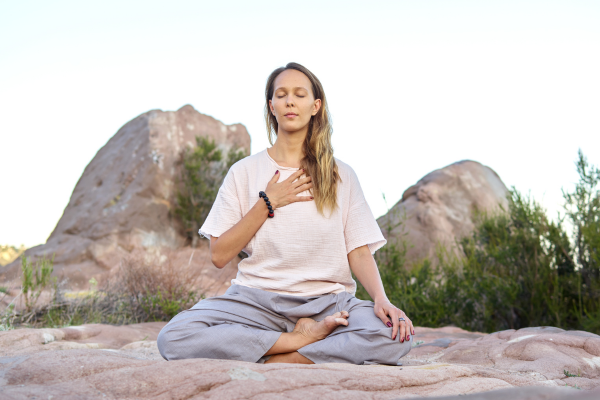
Living in the present moment is more than a simple philosophical aspiration; it is a transformative practice that can deeply enrich our daily existence. In a world where we are constantly bombarded by distractions and worries about the future or regrets from the past, the ability to focus on the here and now is a valuable and often underestimated skill. It is in this context that present-moment wisdom emerges as an essential tool for navigating the complexities of modern life.
The connection between spirituality and mindfulness reveals itself as a powerful link in this process of cultivating conscious presence. While spirituality seeks to understand and nurture the deepest dimension of the human being, mindfulness offers concrete practices to develop this inner awareness. Together, they form a path to personal discovery and connection to something greater than ourselves. In this article, we will explore this fascinating intersection between spirituality and mindfulness, highlighting how this connection can enrich our lives and guide us towards a fuller, more meaningful existence.
What is Mindfulness?
Mindfulness, translated from the term “sati” in Pali, an ancient Indian language, and “smṛti” in Sanskrit, is a practice that dates back to Buddhist traditions thousands of years ago. At its essence, mindfulness is the quality of being fully present and aware of the present moment, without judgment or attachment to the thoughts, sensations or experiences that arise.
Definition of Mindfulness and its Origin in Buddhist Practice
In the context of Buddhist practice, mindfulness is cultivated through meditation techniques that aim to develop full attention and a clear awareness of internal and external phenomena. The objective is to achieve a state of lucidity and mental serenity, where the true nature of reality is perceived.
Relationship of Mindfulness with Present Moment Consciousness
Mindfulness is intrinsically linked to awareness of the present moment. By practicing mindfulness, we learn to direct our attention to what is happening now, without getting caught up in worries about the future or regrets about the past. This mindfulness allows us to experience each moment with an open and receptive mind, recognizing and accepting everything that arises in our experience, whether pleasant, unpleasant or neutral.
By becoming more aware of the present moment through the practice of mindfulness, we develop a greater ability to respond to life situations with calm and clarity, rather than reacting automatically based on habitual patterns of thought and behavior. This ability to respond consciously empowers us to make choices that are more aligned with our values and goals, thus promoting a greater sense of well-being and harmony in our lives.
Spirituality and the Search for Inner Connection
The spiritual journey is a deep and personal search for meaning, purpose, and connection to something beyond the individual self. For many people, spirituality is a fundamental anchor in their lives, providing a sense of belonging and transcendence that goes beyond the mundane concerns of everyday life.
Exploration of the Concept of Spirituality and its Importance for Many People
Spirituality can be defined in many ways, depending on each person’s individual beliefs and experiences. At its core, however, spirituality is about seeking a deeper, more meaningful connection with something greater than ourselves. This may include belief in a higher power, a cosmic force, or a sense of oneness with all existence.
For many people, spirituality plays a crucial role in their lives, providing a value system, ethical principles, and a source of comfort and guidance in times of difficulty. Furthermore, spirituality can be a source of inspiration and transcendence, elevating our consciousness beyond worldly concerns and connecting us with something greater and deeper than we can fully comprehend.
Discussion on how Spirituality Can Help in the Search for Inner Connection
One of the main aspirations of the spiritual journey is the search for inner connection – the search for a deeper understanding of who we are and what our place is in the universe. Through spiritual practice, whether through meditation, prayer, studying sacred texts, or serving others, we can cultivate a greater awareness of ourselves and the world around us.
Spirituality invites us to look within, beyond the outer layers of identity and personality, and recognize the presence of a deeper, eternal self that transcends the external circumstances of life. This internal connection allows us to access a sense of peace, fullness and contentment that does not depend on external conditions, but arises naturally from our own being.
By integrating spiritual practices into our daily lives, we can nurture and strengthen this inner connection, finding a deeper sense of purpose, meaning, and harmony in our lives. This journey toward inner connection is an ongoing, evolving quest that challenges us to explore and embrace the mysteries of self and the universe with an open heart and a receptive mind.
Mindfulness as a Spiritual Practice
Mindfulness transcends the mere relaxation or concentration technique; it is a spiritual journey in itself, a practice that invites us to delve into the depths of our being and awaken to the true nature of existence.
How Mindfulness Can Be Considered a Spiritual Practice in Itself
Although mindfulness has its roots in the Buddhist tradition, its application goes beyond the boundaries of any specific religious system. At the heart of mindfulness is the idea of being completely present and aware of the present moment, without judgment or attachment to the thoughts and experiences that arise.
In this quality of full presence, we find a deep connection with something greater than ourselves – a connection with the very essence of life. Therefore, mindfulness can be considered a spiritual practice in itself, a way of cultivating a direct relationship with ultimate reality, whether conceived as the divine, the cosmos, or simply the mystery of existence.
Examples of How Mindfulness Can Strengthen Connection with the Inner Self and the Universe
When we practice mindfulness, we are actually turning inward, to the core of our being, and recognizing the interconnectedness of all things. As we cultivate mindfulness of the present moment, we begin to realize that we are not separate from the world around us, but are an integral part of it.
Mindfulness invites us to explore the inner landscape of the mind and heart, and to delve into the depths of the self. In doing so, we can discover a wealth of insights, intuitions and wisdom that are often hidden beneath the surface of our being. Furthermore, mindfulness helps us recognize the impermanence of all things and embrace the fundamental truth of interdependence, thus connecting us with the vastness of the universe and the web of life of which we are a part.
By strengthening our connection to the inner self and the universe through the practice of mindfulness, we can experience a deep sense of wholeness, fullness, and harmony in our lives. This spiritual connection sustains and nourishes us on our journey, guiding us towards a more authentic and meaningful existence, in tune with the rhythms and mysteries of the cosmos.
The Importance of Living in the Present Moment
Living in the present moment is more than a simple aspiration; it is a practice that can profoundly transform the way we experience life and open us to a new level of well-being and fulfillment.
Discussion about the Benefits of Living in the Present Moment
There are a number of tangible benefits to cultivating the ability to live fully in the present moment. Firstly, living in the present moment can lead to a significant reduction in stress. When we are present and focused on the here and now, we are able to let go of worries about the future or regrets about the past, finding a sense of inner peace and tranquility.
Furthermore, living in the present moment is closely linked to increased happiness and gratitude. When we are aware of the present moment, we are able to appreciate the small joys in life that often go unnoticed when we are caught up in our worries or distractions. This allows us to cultivate a deep sense of gratitude for what we have, rather than constantly wishing for more.
How Practicing the Present Moment Can Help You Face Life’s Challenges and Difficulties
Practicing the present moment can also be a powerful tool for facing life’s challenges and difficulties. When we are present, we are able to respond to challenges calmly and clearly, rather than reacting impulsively based on negative emotions or thoughts. This allows us to make more conscious and effective decisions, finding creative and resilient solutions to the problems we face.
Furthermore, living in the present moment helps us develop a greater capacity for acceptance and resilience in the face of adversity. By recognizing the reality of the present situation, we are able to adapt and adjust to life’s ever-changing circumstances, finding the strength and courage to persevere, even in the most difficult times.
In short, living in the present moment is a valuable skill that can benefit us in all aspects of life. By cultivating a full awareness of the here and now, we can experience a fuller, more meaningful, and more satisfying life, finding peace and contentment in the present moment, regardless of external circumstances.
Practical Exercises to Cultivate Present Moment Wisdom
To incorporate present-moment wisdom into your daily life, it’s helpful to practice simple mindfulness exercises and find ways to integrate mindfulness into your everyday activities.
Suggestions for Simple Mindfulness Exercises to Practice Daily
- Conscious Breathing: Take a few minutes out of your day to practice conscious breathing. Sit comfortably, close your eyes and focus on your breathing. Notice how the air moves in and out of your body, without trying to control it. When your mind wanders, gently bring your attention back to your breathing.
- Body Scan: Take a few minutes to do a body scan. Start with your feet and slowly work your way up your body, paying attention to each part of your body and any sensations that arise. This helps bring your awareness to the present moment and relax your body and mind.
- Conscious Pause: Throughout the day, take a few minutes to consciously pause. Stop what you are doing, breathe deeply and bring your attention to the present moment. Notice your surroundings, such as sounds, smells, and physical sensations.
Tips on how to integrate mindfulness into everyday activities
- Mindfulness when Eating: Practice eating mindfully, paying attention to each bite, savoring your food, and noticing the sensations in your body as you eat. Avoid distractions, like television or cell phones, and be present in the moment.
- Mindfulness when Walking: When walking, pay attention to your body movements, the sensation of your feet touching the ground and your breathing. Be present in the moment, noticing the details around you as you move.
- Mindfulness in Household Chores: Turn household chores into opportunities to practice mindfulness. When washing the dishes, for example, focus on the sensations of the water and soap, without letting your mind wander to other concerns.
Practicing these simple mindfulness exercises and integrating mindfulness into your everyday activities can help you cultivate present-moment wisdom, bringing more peace, clarity, and gratitude into your life.
Conclusion
In this article, we explore the deep connection between spirituality and mindfulness, highlighting the importance of present moment wisdom in our personal journey of growth and self-discovery.
Recap of Main Points Discussed
We reflect on the definition of mindfulness and its origins in Buddhist practice, as well as its intrinsic relationship with awareness of the present moment. We also explore the nature of spirituality and its relevance for many people searching for meaning and connection in their lives. Additionally, we examine how mindfulness can be considered a spiritual practice in itself, strengthening our connection with the inner self and the universe.
Highlighting the Importance of Present Moment Wisdom in the Spiritual and Mindfulness Journey
Present moment wisdom is essential to our spiritual and mindfulness journey, as it invites us to live fully in the here and now, recognizing the beauty and fullness of life in each moment. By cultivating this mindfulness, we can find inner peace, mental clarity, and a deep sense of connection with something greater than ourselves.
Invitation to Readers to Start Practicing Mindfulness in Their Daily Lives
I invite you, our readers, to start practicing mindfulness in your daily lives. Try the simple mindfulness exercises we’ve shared and find ways to integrate present-moment wisdom into your everyday activities. In doing so, I hope you can experience the many benefits that mindfulness can bring, finding greater peace, happiness and fulfillment in your lives.
May the wisdom of the present moment guide you on your spiritual and mindfulness journey, empowering you to live each moment with intention, awareness and gratitude.